
Encapsulated O-Rings
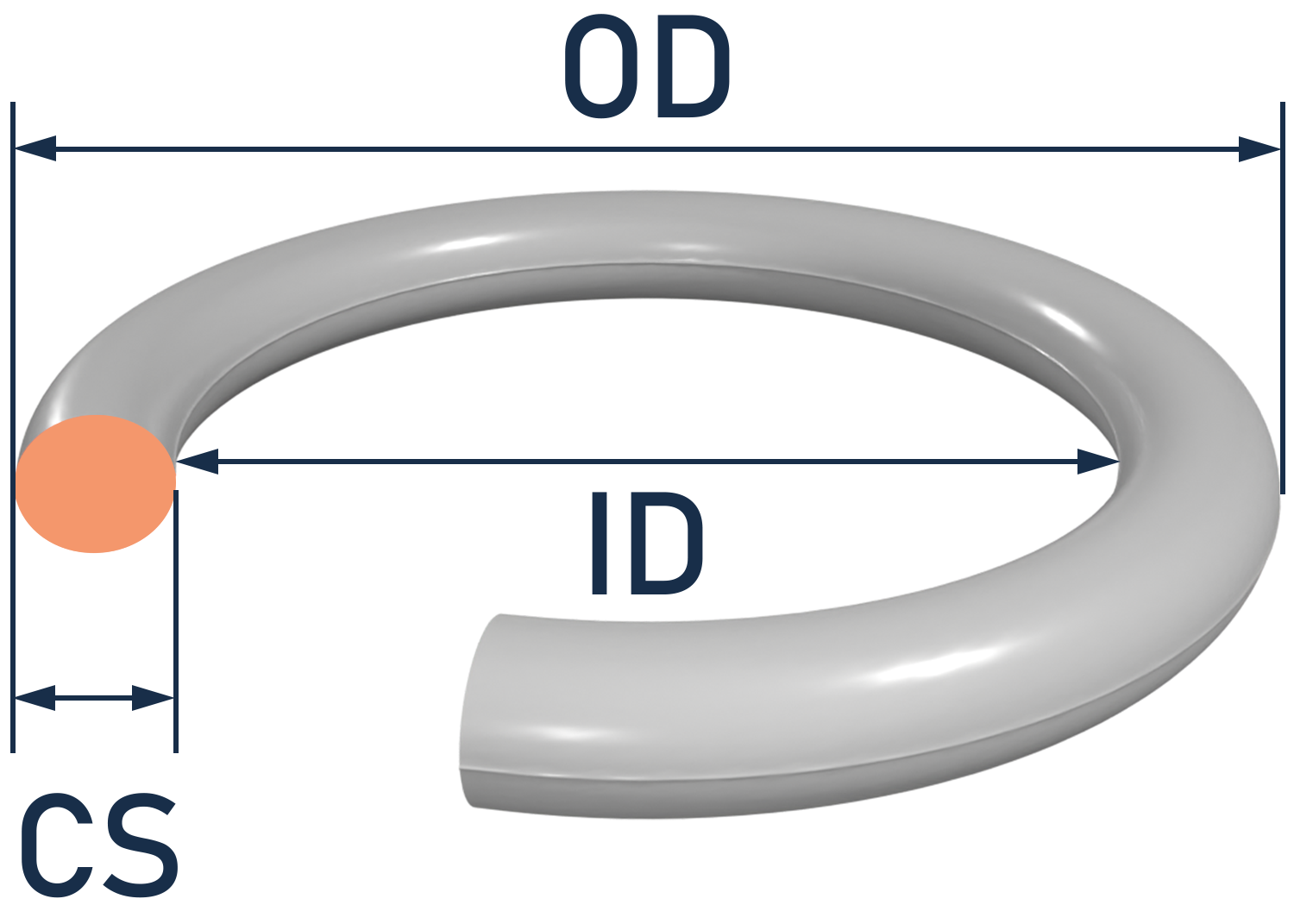
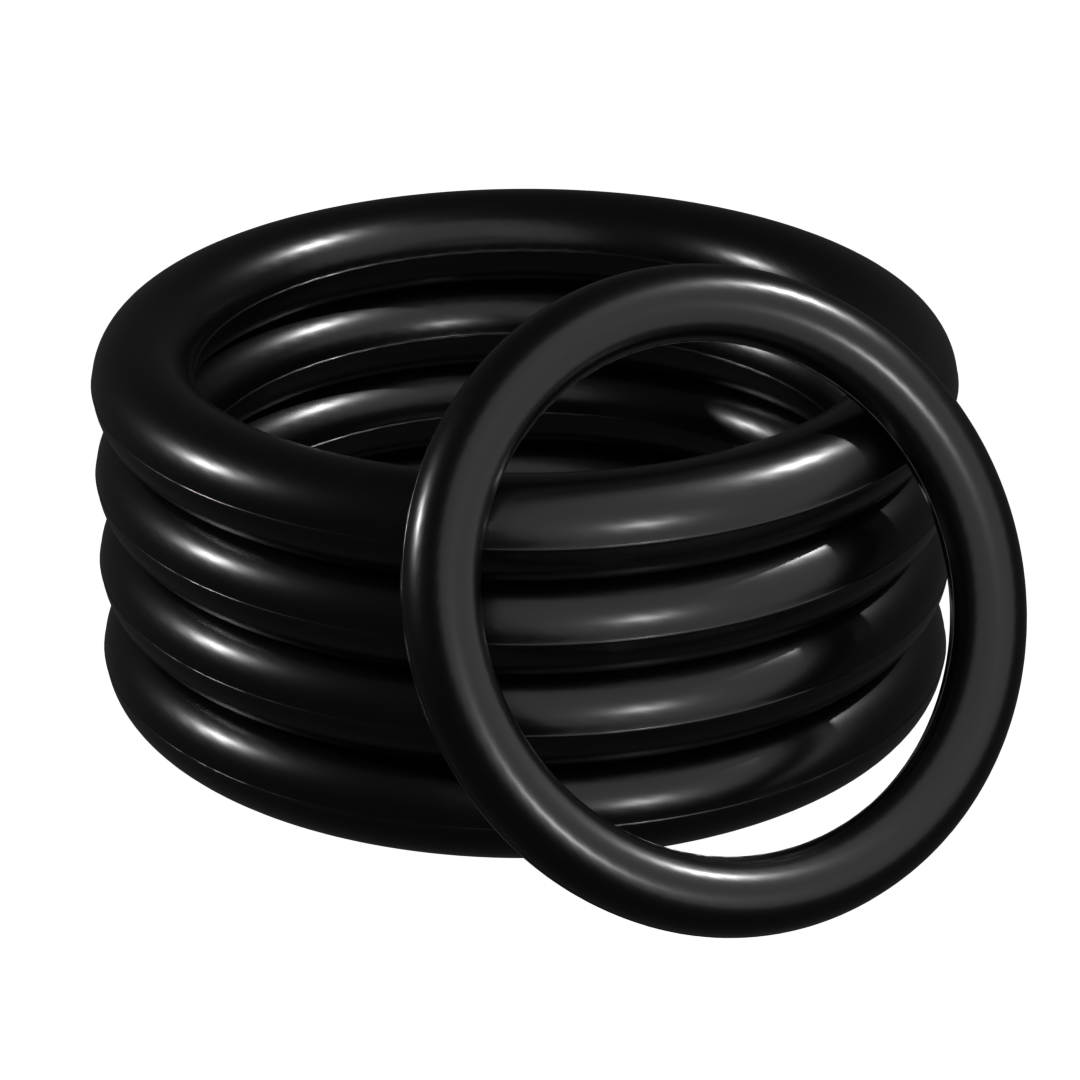
FEP and PFA encapsulated O-rings consist of an elastomeric core and a seamlessly closed casing of modified PTFE. The elastomer core of encapsulated O-rings is typically made of FKM (Viton) or VMQ (silicone) and guarantees a uniform pre-tensioning at the sealing point. The seamless encapsulated O-ring casing is composed of FEP (fluorinated ethylene propylene) or PFA (perfluoroalkoxy-copolymer). The encapsulated O-ring casing ensures reliable sealing and high resistance to aggressive media. This produces performance similar to that of a PTFE material.
Encapsulated O-rings are exclusively used in static applications since movement or abrasive media can destroy the casing.
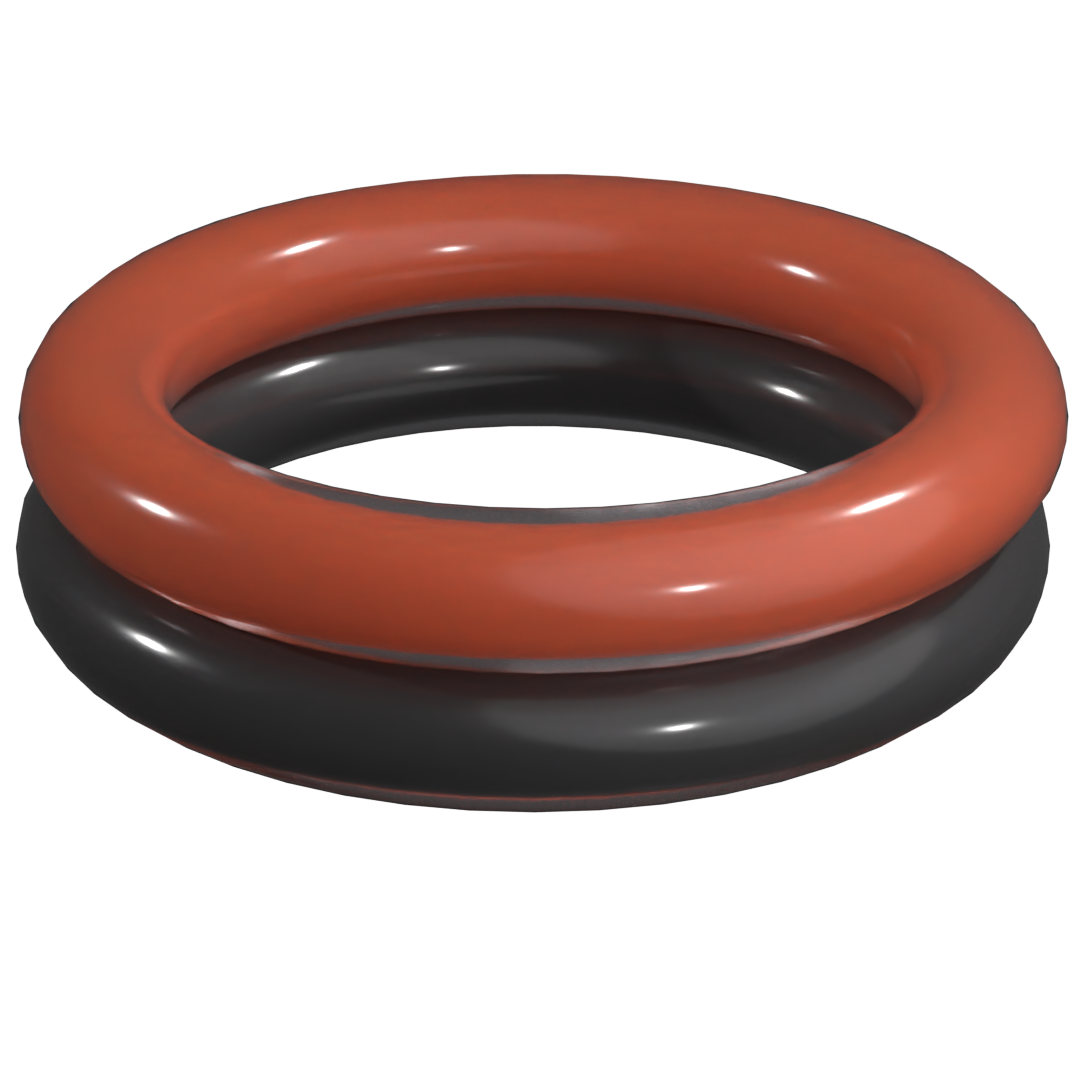
Teflon encapsulated O-rings from Canyon Components combine chemical resistance and elastomeric flexibility for reliable sealing in aggressive chemical and high-temperature environments.
Encapsulated Materials Available
This table shows many of our standard materials and links out to our O-ring store. Get in touch with us if you need a custom gasket, custom molded part, or non-standard geometry!
Filter by
Material Brand
Durometer
Temperature Search (°C)
Specification
Size Search
___X____
Features of Encapsulated O-Rings
- Encapsulated O-rings have very good resistance to nearly all media ( exceptions are alkali metals and some fluorine compounds)
- Encapsulated O-rings are used in applications in broad range of temperatures
- Encapsulated O-rings are superbly suited for use in the food, chemical and pharmaceutical industries
- Encapsulated O-rings have low contamination
- Encapsulated O-rings have low permeation
- Encapsulated O-rings have a low coefficient of friction that prevents the stick-slip effect
- Encapsulated O-rings are cost-effective, high-performance seals for many critical application areas
Limitations of Encapsulated O-Rings
- Encapsulated O-rings are not compatible with ozone, direct sunlight, UV, or weathering
- Encapsulated O-rings have poor resistance to aromatic fuels, glycol-based brake fluids, polar solvents, non-flammable hydraulic fluids (HFD), aromatic/chlorinated hydrocarbons, and strong acids
- Encapsulated O-rings have a 15 year shelf life
- Service temperature range (varies with application) Typically -20°F to 200°F (-30°C to 100°C) *Special formulations allow range of -65°F to 275°F (-54°C to 135°C)
- Encapsulated O-rings are not recommended for dynamic applications
- Encapsulated O-rings are not recommended for contact with abrasive media
- Encapsulated O-rings are not recommended for high pressure applications
- Encapsulated O-rings are not recommended for high stretch applications or over compression
Please consult a Canyon Components Engineer about your specific application and we will use our decades of experience to formulate a solution that fits your need.
FEP vs PFA Encapsulation
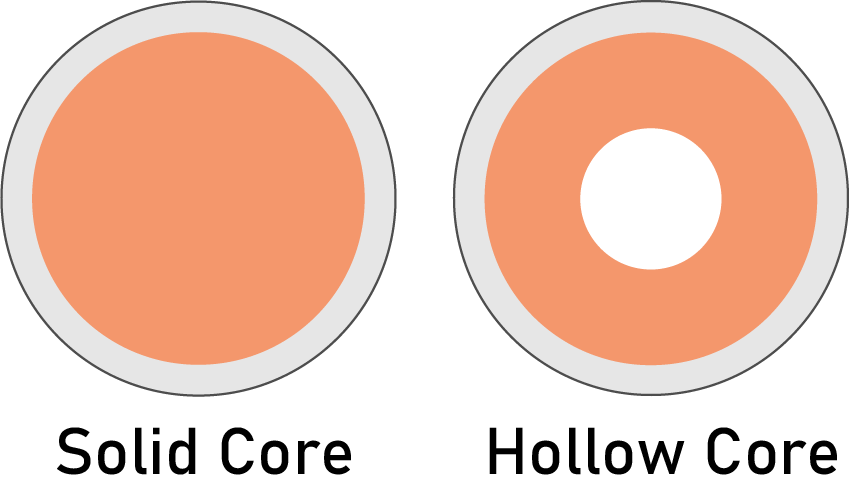
In the context of encapsulated O-rings, FEP and PFA are very similar in their characteristics. PFA stands out for its greater thermal resistance at temperatures exceeding 200 °C. Thanks to the opportunities for combining two encasing materials and two core materials for encapsulated O-rings, the best possible encapsulated O-rings can be selected for a particular application. The formation of the inner elastomer as a hollow core expands the range of applications to uses that require relatively low contact forces.
Canyon Components supplies precision-engineered Teflon encapsulated O-rings designed for food processing, semiconductor, and pharmaceutical sealing applications.
Advantages FEP
- FEP encapsulated O-rings have high resistance to numerous chemicals
- FEP encapsulated O-rings have high corrosion resistance
- FEP encapsulated O-rings have low compression set
- FEP encapsulated O-rings have a low coefficient of friction
Advantages of PFA
- PFA encapsulated O-rings have all the benefits of FEP encapsulation
- PFA encapsulated O-rings have greater high temperature resistance
- PFA encapsulated O-rings have greater mechanical strength
- PFA encapsulated O-rings have a longer service life
- PFA encapsulated O-rings have a greater resistance to cracking
Please consult a Canyon Components Engineer about your specific application and we will use our decades of experience to formulate a solution that fits your need.
Encapsulated Materials Explained
Back to Elastomers Hub

| Compound Number | Datasheet | Style | Characteristics | Temperature Range | Equivalent Hardness | |||||||
|---|---|---|---|---|---|---|---|---|---|---|---|---|
| TF75BK00 |

|
FKM Core FEP Encapsulation |

|
• Standard Solution • Low Compression Set |
-26°C to +205°C (-15°F to +400°F) |
90 to 95 Shore A | ||||||
| TS75OR00 |
|
Silicone Core FEP Encapsulation |

|
• Better Low Temp Behavior |
-62°C to +205°C (-80°F to +400°F) |
85 to 90 Shore A | ||||||
| TF75BK50 |
|
FKM Core PFA Encapsulation |
|
• High Abrasion Resistance |
-26°C to +205°C (-15°F to +400°F) |
90 to 95 Shore A | ||||||
| TS75OR50 |
|
Silicone Core PFA Encapsulation |
|
• Wide Temperature Range |
-62°C to +260°C (-80°F to +500°F) |
85 to 90 Shore A | ||||||
| TS75OR01 |
|
Silicone Hollow Core FEP Encapsulation |

|
• Low Contact Pressure • Used in Sensitive Equipment, Such As Glass |
-62°C to +205°C (-80°F to +400°F) |
75 to 80 Shore A | ||||||
| TS75OR51 |
|
Silicone Hollow Core PFA Encapsulation |
|
• Low Contact Pressure • Used in Sensitive Equipment, Such As Glass • Wide Temperature Range |
-62°C to +260°C (-80°F to +500°F) |
75 to 80 Shore A | ||||||
| TM00TR00 |
|
Steel Spring Core FEP Encapsulation |

|
• Used in ultra low temperature applications • Wide Temperature Range |
-251°C to +205°C (-420°F to +400°F) |