
Fluorosilicone (FVMQ) Selection Guide
Fluorosilicone, also known as FVMQ, is a high performance elastomer material engineered for applications requiring excellent fuel resistance combined with outstanding low temperature flexibility. Fluorosilicone materials are widely used in O-rings, gaskets, diaphragms, connector seals, tubing seals, and custom molded rubber parts exposed to fuels, oils, lubricants, solvents, and harsh environmental conditions. These materials are commonly specified in aerospace systems, military equipment, fuel handling systems, automotive applications, industrial electronics, and environmental sealing systems where standard Silicone compounds would not provide sufficient hydrocarbon resistance.
Canyon Components supplies high quality Fluorosilicone sealing solutions including aerospace grade FVMQ compounds, low temperature sealing materials, and custom molded sealing components. Our team supports Fluorosilicone O-rings, gaskets, and custom parts used throughout aerospace, military, automotive, and industrial applications. We also assist with material selection, fuel compatibility analysis, and low temperature sealing optimization.
Common names include: Fluorosilicone rubber, FVMQ elastomer, fuel resistant Silicone, low temperature fuel resistant rubber
Trade names include: Fluorosilicone, FVMQ
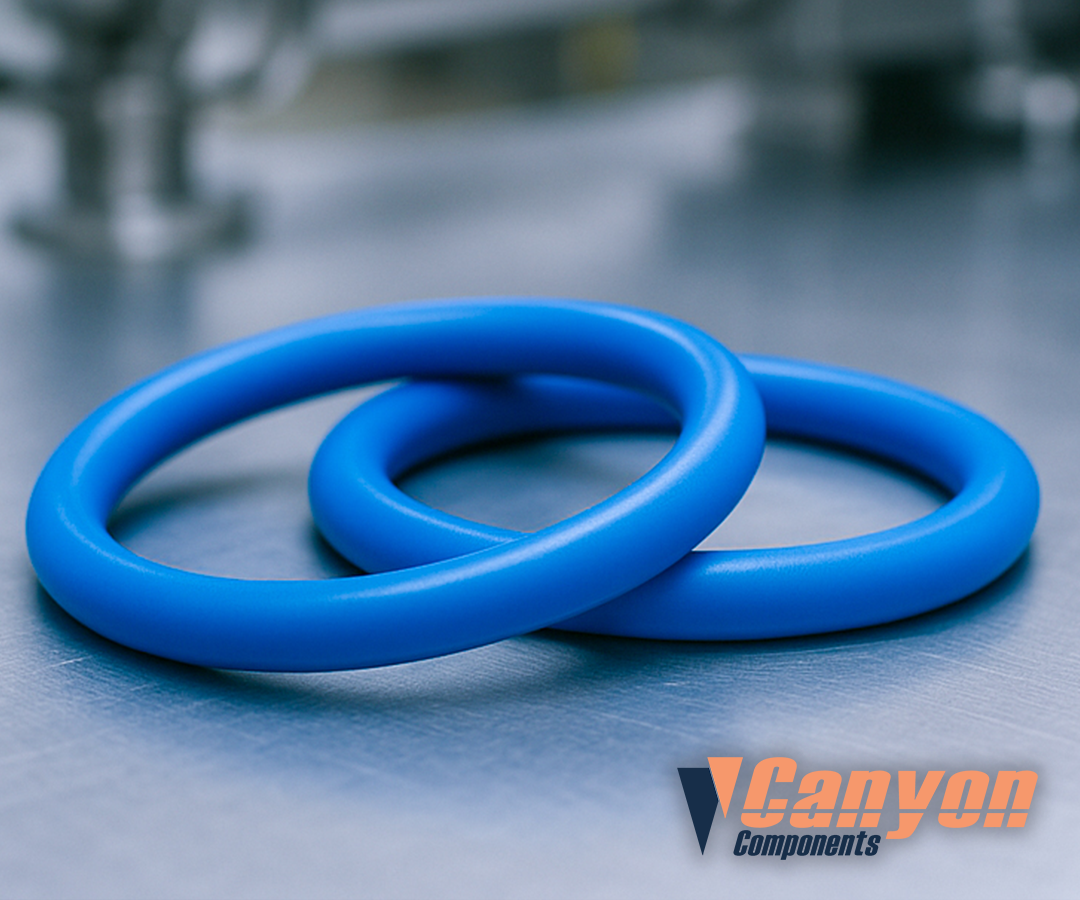
Canyon Components' premium fluorosilicone O-rings and custom molded parts, ideal for reliable sealing in aerospace, automotive, and chemical-resistant applications.
Fluorosilicone Materials Available
This table shows many of our standard materials and links out to our O-ring store. Get in touch with us if you need a custom gasket, custom molded part, or non-standard geometry!
Filter by
Material Brand
Durometer
Temperature Search (°C)
Material Compliance
Specification
Size Search
___X____
Features of Fluorosilicone Materials
- Fluorosilicone compounds provide excellent resistance to fuels, oils, lubricants, and aromatic hydrocarbons
- These materials maintain flexibility at extremely low temperatures where many elastomers become brittle
- FVMQ compounds are commonly used in O-rings, gaskets, diaphragms, and custom molded sealing components
- Fluorosilicone elastomers provide strong environmental resistance and weather durability
- These materials combine low temperature flexibility with hydrocarbon resistance
- FVMQ compounds are commonly specified for aerospace, military, and automotive sealing systems
- Specialized Fluorosilicone compounds are available for low outgassing and aerospace applications
- Canyon Components supplies equivalent Fluorosilicone sealing materials with strong availability, engineering support, and rapid lead times
Limitations of Fluorosilicone Materials
- Fluorosilicone compounds generally provide lower abrasion resistance and tear resistance compared to HNBR or FKM materials
- These materials may not perform well in aggressive dynamic sealing systems involving severe wear conditions
- FVMQ elastomers typically provide lower tensile strength compared to many industrial elastomers
- Certain aggressive steam and hot water environments may reduce service life
- Fluorosilicone compounds are generally more expensive than standard Silicone or NBR materials
- Applications involving aggressive industrial chemistry may require FKM or FFKM materials instead
Please consult a Canyon Components Engineer about your specific application and we will use our decades of experience to formulate a solution that fits your need.
Common Industries Using Fluorosilicone Materials
Selecting the correct Fluorosilicone material requires evaluation of fuel chemistry, operating temperature, environmental exposure, pressure conditions, and sealing geometry.
Canyon Components assists customers with material selection, custom molded sealing solutions, reverse engineering support, and sealing optimization for Fluorosilicone O-rings, gaskets, diaphragms, and custom rubber parts. We can also provide Datasheets, TDS, Test Reports, MTR documentation, MSDS, and SDS information for many Fluorosilicone sealing compounds and industrial materials.
Aerospace and Aviation
Fluorosilicone compounds are widely used in aerospace fuel systems, lubrication systems, avionics equipment, and environmental sealing systems.
Military and Defense
Military systems commonly utilize FVMQ materials for fuel handling systems, environmental seals, and aerospace sealing applications.
Automotive Systems
Automotive fuel systems, injectors, connectors, and environmental sealing systems frequently use Fluorosilicone compounds.
Industrial Electronics
Electronics systems commonly use FVMQ environmental seals exposed to outdoor environments and hydrocarbon contamination risks.
Telecommunications Equipment
Telecommunications systems often require Fluorosilicone enclosure seals for outdoor environmental durability.
Please consult a Canyon Components Engineer about your specific application and we will use our decades of experience to formulate a solution that fits your need.
All Other Fluorosilicone Types Available
QPL Listed Fluorosilicone for the Military and Aerospace Industry
Explore QPL listed fluorosilicone materials for military and aerospace applications, including O-rings, gaskets, and custom parts. Learn about qualified fluorosilicone compounds designed for fuel resistance and extreme environments.
AMS Spec Fluorosilicone for the Military and Aerospace Industry
Explore AMS specification fluorosilicone materials for military and aerospace applications, including O-rings, gaskets, and custom parts. Learn about fluorosilicone compounds designed for fuel resistance and low temperature flexibility.
MIL Spec Fluorosilicone for the Military and Aerospace Industry
Explore MIL spec fluorosilicone materials for military and aerospace applications, including O-rings, gaskets, and custom parts. Learn about fluorosilicone compounds designed for fuel resistance, low temperature flexibility, and demanding environments.

UL Certified Fluorosilicone for Various Industries
Explore UL certified fluorosilicone O-rings, gaskets, and custom parts for industrial and electrical applications. Learn about fluorosilicone materials designed for fuel resistance, temperature stability, and reliable sealing performance.
Fluorosilicone for the EMI and RFI Shielding Industry
Explore fluorosilicone materials for EMI and RFI shielding applications, including conductive gaskets and custom parts. Learn about fluorosilicone compounds designed for fuel resistance, environmental sealing, and extreme temperatures.

Parker Hannifin Fluorosilicone Materials: Fuel and Chemical Resistant Sealing Solutions
Explore Parker Hannifin Fluorosilicone materials for O-rings, gaskets, and custom parts designed for fuel resistance and low temperature flexibility. Compare Parker fluorosilicone compounds with high-quality Canyon Components equivalents.
Back to Elastomers Hub
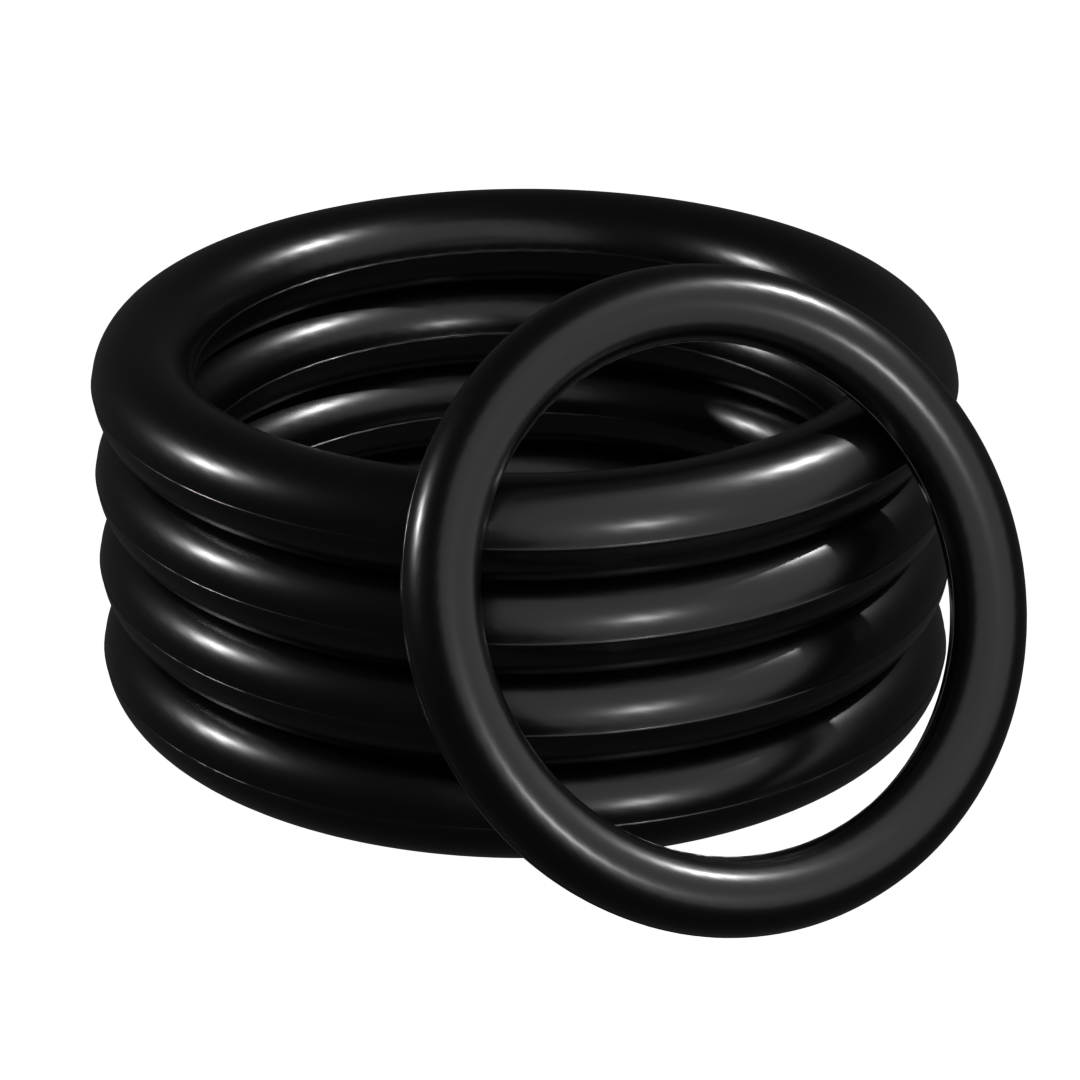

No, Fluorosilicone O-rings (FSO-rings) are not the same as Silicone O-rings (Silicone O-rings). Silicone and fluorosilicone O-rings are both elastomeric sealing materials, but they have different chemical compositions and properties that make them suitable for different applications. Here's a comparison of their key characteristics:
Silicone O-Rings:
1. Composition: Silicone O-rings are made from silicone rubber, which is a polymer composed of silicon, oxygen, carbon, and hydrogen atoms. The unique chemical structure of silicone gives it its characteristic flexibility and heat resistance.
2. Temperature Range: Silicone O-rings have a broad temperature range and can withstand temperatures from approximately -100°F to 600°F (-75°C to 315°C) depending on the blend. They are excellent for high-temperature applications.
3. Chemical Resistance: Silicone has good resistance to water, steam, and many chemicals. However, it is not recommended for use with petroleum-based products, fuels, and certain solvents.
4. Elasticity: Silicone O-rings are known for their flexibility and elasticity, making them suitable for dynamic sealing applications.
5. Electrical Insulation: Silicone is an excellent electrical insulator and is used in electrical and electronic applications.
Fluorosilicone O-Rings:
1. Composition: Fluorosilicone O-rings are made from fluorosilicone rubber, which is a modified form of silicone rubber. It contains fluorine atoms in addition to silicon, oxygen, carbon, and hydrogen atoms. This modification enhances its resistance to oils and fuels.
2. Temperature Range: Fluorosilicone O-rings have a temperature range similar to standard silicone, typically from -100°F to 356°F (-75°C to 180°C). While they can withstand high temperatures, they are not as heat-resistant as some other elastomers.
3. Chemical Resistance: Fluorosilicone offers improved resistance to petroleum-based products, including oils, fuels, and solvents, compared to standard silicone. It is particularly suitable for applications where exposure to these substances is a concern.
4. Elasticity: Fluorosilicone maintains the flexibility and elasticity characteristic of silicone rubber, making it suitable for dynamic sealing applications.
5. Fuel and Oil Resistance: The primary advantage of fluorosilicone over standard silicone is its enhanced resistance to oils and fuels, which is valuable in automotive and aerospace applications.
Summary:
- Silicone O-rings: Suitable for high-temperature applications and where exposure to water and steam is a concern. Not recommended for use with petroleum-based products.
- Fluorosilicone O-rings: Ideal for applications requiring resistance to oils, fuels, and solvents, while still maintaining flexibility. They have a broader range of chemical resistance compared to standard silicone.
The choice between silicone and fluorosilicone O-rings should be based on the specific requirements of the application, particularly in terms of temperature, exposure to oils or fuels, and chemical compatibility.
The color of an O-ring does not necessarily indicate its heat resistance. O-rings are made from various elastomer materials, and their heat resistance depends on the specific material used rather than their color.
Heat resistance of O-rings is determined by the elastomer material's formulation and its ability to withstand elevated temperatures without losing its sealing properties or degrading. Common elastomer materials used for heat-resistant O-rings include:
The color of an O-ring doesn't inherently signify a specific characteristic or quality; rather, it's often used as a means to identify different materials or specifications. Here's a general guide to what different colored O-rings might indicate:
1. Black: The most common color for O-rings, typically made of nitrile (Buna-N), neoprene, EPDM, or other general-purpose materials. These are widely used in various applications due to their good resistance to oils, fuels, and certain chemicals. However, it should be noted that virtually any elastomeric material can be, and will frequently be manufactured in black colorations. This includes specialty materials like Aflas, FFKM Perfluoroelastomers, and silicone.
2. Blue: Fluorosilicone O-rings are typically manufactured in blue colorations. Also, blue is often associated with FDA-approved materials that are safe for food, water, and beverage contact. Blue O-rings are also easily detectable, which helps in maintaining safety standards in food processing industries.
3. Green: Commonly indicates the presence of hydrogenated nitrile (HNBR), which offers better heat and chemical resistance compared to standard nitrile. Viton® (fluorocarbon rubber) can also frequently be found in green colorations.
4. Brown: Typically signifies the use of Viton® (fluorocarbon rubber), known for its excellent resistance to high temperatures and chemicals, including petroleum products.
5. Red, Orange, or Pink: Frequently used for silicone O-rings, which are known for their heat resistance and use in food-grade applications.
6. White or Clear: Often indicates that the O-ring is made from silicone, Teflon (PTFE), or another material that is suitable for sanitary or medical applications.
7. Yellow: May indicate special compounds, such as polyurethane, which are known for their wear resistance and strength.
8. Metal Detectable O-rings: These O-rings are infused with metal detectable materials and are often blue. They are used in the food and pharmaceutical industries where contamination by foreign objects is a critical concern.
It's important to note that these color associations are not universal and can vary between manufacturers. The color alone should not be relied upon to determine the material or suitability of an O-ring for a specific application. Always refer to the manufacturer's specifications or consult with a Canyon Components engineer when selecting an O-ring for a particular use.
To determine the heat resistance of an O-ring, it is crucial to identify the material it is made from and consult the manufacturer's specifications or datasheets to ensure that it meets the temperature requirements of your specific application. The color alone should not be used as an indicator of heat resistance.
No, Fluorosilicone and Viton (a brand name for FKM, Fluoroelastomer) are not the same, although they both belong to the category of high-performance elastomers and share some similar properties. Here are the main differences between the two:
1. Chemical Structure:
- Fluorosilicone (FVMQ): This is a type of silicone rubber that has been modified with fluorine. It combines the beneficial properties of silicone (good flexibility, high temperature resistance) with the enhanced chemical resistance of fluorine.
- Viton (FKM): This is a fluoroelastomer, a special type of synthetic rubber, which is known for its excellent heat resistance and very good resistance to aggressive fuels and chemicals.
2. Temperature Resistance:
- Fluorosilicone: Typically effective in a temperature range of -75°C to +180°C.
- Viton (FKM): Can withstand higher temperatures, usually effective from -26°C to +225°C, with some special grades working even at extended temperature ranges.
3. Chemical Resistance:
- Both materials have excellent resistance to oils, fuels, and solvents, but FKM generally offers superior resistance to hydrocarbons and acids compared to Fluorosilicone.
4. Applications:
- Fluorosilicone: Often used in aerospace and automotive applications for fuel and oil systems, especially where exposure to aviation fuels, synthetic lubricants, or coolants is common.
- Viton (FKM): Widely used in the automotive, chemical processing, and energy industries due to its resistance to high temperatures and aggressive chemicals, especially hydrocarbons.
In summary, while both Fluorosilicone and Viton are used in high-performance applications requiring resistance to harsh chemicals and temperatures, they are distinct materials with different chemical structures and properties. The choice between them would depend on the specific requirements of the application, such as the type of chemicals involved, temperature range, and mechanical stress factors.
No, all rubber O-rings are not the same. O-rings, which are loop-shaped seals used in various applications, can be made from a wide range of rubber materials, each with its own specific properties, advantages, and limitations. The differences in these materials make certain O-rings more suitable for specific applications than others. Here are some common types of rubber materials used for O-rings:
1. Nitrile Rubber (NBR, Buna-N): Known for its excellent resistance to oil and petroleum-based fluids. NBR O-rings are commonly used in automotive and industrial applications where oil resistance is crucial.
2. Ethylene Propylene Diene Monomer (EPDM): Characterized by its excellent resistance to weathering, ozone, UV light, and aging. It's often used in outdoor applications, as well as for water or steam systems, but it's not suitable for use with oils and fuels.
3. Silicone Rubber: Offers high flexibility and good resistance to extreme temperatures, both hot and cold. Silicone O-rings are often used in food and beverage applications due to their inertness and in environments with wide temperature ranges.
4. Fluorocarbon Rubber (FKM, Viton): Known for its high resistance to heat and chemicals, including oil and fuel. FKM O-rings are typically used in automotive, aerospace, and industrial applications where high-temperature and chemical resistance are needed.
5. Neoprene (Chloroprene): Balances a good mix of chemical stability and flexibility, with moderate resistance to oils and weathering. Neoprene O-rings are used in refrigeration units, air conditioning systems, and outdoor applications.
6. Polyurethane: Notable for its excellent wear and tear resistance, making it suitable for high-pressure hydraulic systems and other demanding applications.
Each type of rubber material is suitable for different types of environments based on its chemical compatibility, temperature range, and resistance to various factors like oils, UV light, ozone, and wear. The selection of the right O-ring material is critical for ensuring effective sealing and longevity of the application it is used in.
The choice of the best O-ring material for high-temperature applications depends on the specific temperature range and other environmental factors involved. Several elastomer materials are suitable for high-temperature sealing, and the selection should be based on the following considerations:
1. Silicone Rubber (VMQ):
- Temperature Range: Certain Silicone rubber blends can handle temperatures up to 600°F (315°C), however most are only rated for 400°F (205°C).
- Advantages: Excellent high-temperature resistance, good flexibility, and resistance to ozone and UV exposure.
- Applications: Suitable for a wide range of high-temperature applications, including aerospace, automotive, and food processing.
2. Fluorocarbon Rubber (FKM/Viton):
- Temperature Range: FKM can withstand temperatures up to 437°F (225°C).
- Advantages: Exceptional chemical resistance, high-temperature resistance, and durability.
- Applications: Commonly used in oil and gas, automotive, chemical processing, and aerospace industries.
3. Perfluoroelastomer (FFKM):
- Temperature Range: Certain FFKM CanRez blends can handle temperatures up to 635°F (335°C) and excursions to even higher temperatures.
- Advantages: Excellent high-temperature and ultimate chemical resistance, low outgassing, and low permeability.
- Applications: Used in demanding high-temperature and chemical environments, such as semiconductor manufacturing and oil and gas.
4. Fluorosilicone (FVMQ):
- Temperature Range: FVMQ materials can handle temperatures up to 356°F (180°C).
- Advantages: Good high-temperature resistance, flexibility, and resistance to oils and fuels.
- Applications: Suitable for aerospace, automotive, and other applications where a combination of temperature and chemical resistance is required.
The best O-ring material for high-temperature applications varies depending on the specific temperature range, chemical exposure, pressure, and other environmental factors. It's essential to consult with a material expert or O-ring manufacturer to select the most suitable material for your particular application to ensure optimal performance and longevity. Additionally, consider the specific grade and formulation of the elastomer material to match the requirements of your high-temperature application.
Fluorosilicone, often abbreviated as FVMQ (Fluorosilicone Rubber), is a specialized elastomer that is primarily used in applications where a combination of fuel and oil resistance, high-temperature stability, and resistance to environmental factors is required. Fluorosilicone rubber offers a unique set of properties that make it suitable for specific industries and applications. Here are some common uses of fluorosilicone:
1. Aerospace Industry:
- Fluorosilicone is frequently employed in the aerospace sector for sealing and gasketing applications. It can withstand exposure to aviation fuels, lubricants, and hydraulic fluids, making it ideal for use in aircraft engines, fuel systems, and hydraulic systems.
2. Automotive Industry:
- In the automotive industry, fluorosilicone is used for gaskets, O-rings, and seals in engine components, such as fuel injection systems, where it must resist the corrosive effects of gasoline and diesel fuels.
3. Military Applications:
- Fluorosilicone is utilized in military equipment and vehicles for its durability and resistance to aviation fuels, hydraulic fluids, and other harsh chemicals.
4. Oil and Gas Industry:
- Fluorosilicone seals and gaskets are employed in oil and gas exploration and production equipment due to their resistance to hydrocarbons and drilling fluids.
5. Electronics:
- Fluorosilicone is used in electronic devices and connectors to provide sealing and protection against environmental factors, including exposure to fuels, oils, and temperature fluctuations.
6. Medical Devices:
- In some medical devices, fluorosilicone is used for seals and gaskets where resistance to bodily fluids and sterilization processes is necessary.
7. Industrial Applications:
- Fluorosilicone is utilized in various industrial settings where resistance to chemicals, fuels, and high temperatures is required for sealing and gasketing applications.
8. Environmental Sealing:
- It is used for environmental seals in outdoor equipment and enclosures, as it can withstand exposure to UV radiation and ozone.
9. Sealing in Harsh Environments:
- Fluorosilicone is chosen when sealing components that are exposed to harsh environments, such as marine applications, where resistance to saltwater and fuels is essential.
10. Food Processing:
- In some instances, fluorosilicone is used in the food processing industry, mainly for applications where resistance to certain food-related substances is required.
Fluorosilicone's unique combination of properties, including resistance to fuels, oils, chemicals, and high temperatures, makes it a valuable material for applications where standard elastomers like NBR or silicone may not provide adequate performance. However, it's important to note that fluorosilicone is a specialty material and may be more expensive than other elastomers, so its use is typically reserved for applications that specifically require its properties.
When selecting an O-ring for use with gasoline, the key factors to consider are the O-ring's resistance to gasoline (including any additives in the fuel), its ability to maintain integrity at various temperatures, and its compatibility with other environmental factors it may encounter. The most commonly recommended materials for O-rings used with gasoline are:
1. Viton (Fluorocarbon, FKM): Viton is often considered one of the best materials for gasoline applications due to its excellent resistance to hydrocarbons, including gasoline and its additives. It maintains its properties over a wide temperature range and offers good resistance to aging and weathering. This makes it a preferred choice for automotive fuel handling systems.
2. Nitrile (Buna-N, NBR): Nitrile rubber is another popular choice for gasoline applications, especially when cost is a consideration. It has good resistance to oils and fuels, including gasoline. However, it may not perform as well as Viton in high-temperature environments or when exposed to certain additives in modern fuels.
3. Ethylene Propylene Diene Monomer (EPDM): While EPDM has excellent resistance to weathering, ozone, and aging, its compatibility with gasoline is generally poor. It's not typically recommended for use with gasoline or petroleum-based fluids.
4. Neoprene (Chloroprene, CR): Neoprene has moderate resistance to gasoline but is generally less preferred than Viton or Nitrile for this application. It's more commonly used in environments where resistance to weathering and ozone is a priority.
5. Silicone: Silicone O-rings are not recommended for use with gasoline. They have poor resistance to petroleum-based fuels and oils.
Summary
- Best Overall: Viton is often considered the best choice for gasoline applications due to its superior resistance to hydrocarbons and high temperatures.
- Cost-Effective Alternative: Nitrile is a good, less expensive alternative with acceptable resistance to gasoline but may not perform as well in extreme conditions compared to Viton.
It's important to ensure that the O-ring material is compatible not only with gasoline but also with any fuel additives that may be present. Additionally, always check the specifications and recommendations from the O-ring manufacturer or supplier for your specific application.
Comparing Buna (often referred to as Nitrile or Buna-N) with Viton (a brand of fluoroelastomer) involves considering the specific requirements of the application, as each material has its strengths and weaknesses. Here’s a comparative analysis based on various factors:
1. Chemical Resistance:
- Viton: Exceptionally resistant to a wide range of chemicals, including oils, fuels, lubricants, and most mineral acids. It's superior in environments with harsh chemicals.
- Buna-N: Good resistance to oils and some chemicals, but not as broadly resistant as Viton, especially to strong acids and various solvents.
2. Temperature Resistance:
- Viton: Can withstand higher temperatures, generally between -15°F to 437°F (-26°C to 225°C), making it suitable for high-temperature applications.
- Buna-N: Has a decent temperature range but not as high as Viton, typically -40°F to 257°F (-40°C to 125°C).
3. Cost:
- Viton: Generally more expensive than Buna due to its superior performance in harsh environments and its more complex manufacturing process.
- Buna-N: More cost-effective, making it a preferred choice for applications where conditions do not demand Viton's high level of performance.
4. Physical Properties:
- Both materials have good physical properties like tensile strength and flexibility, but these can vary depending on the specific formulation.
5. Applications:
- Viton: Often used in automotive, aerospace, chemical processing, and industrial applications where high chemical and temperature resistance are required.
- Buna-N: Commonly used in automotive (particularly where oil resistance is needed), food handling, and general industrial applications where moderate resistance is sufficient.
6. Durability:
- Viton: Tends to have better longevity, especially in harsh chemical and thermal environments.
- Buna-N: While durable, it may not perform as well as Viton in extreme conditions but is sufficient for many standard applications.
In summary, whether Buna is "better" than Viton depends on the specific application requirements. Viton is superior in terms of chemical and temperature resistance, making it ideal for harsher environments, but it comes at a higher cost. Buna-N is a more cost-effective solution for applications that require good oil resistance and moderate temperature and chemical resistance. The decision should be based on balancing the performance requirements and budget constraints of your specific application.
Silicone and fluorosilicone O-rings are both elastomeric sealing materials, but they have different chemical compositions and properties that make them suitable for different applications. Here's a comparison of their key characteristics:
Silicone O-Rings:
1. Composition: Silicone O-rings are made from silicone rubber, which is a polymer composed of silicon, oxygen, carbon, and hydrogen atoms. The unique chemical structure of silicone gives it its characteristic flexibility and heat resistance.
2. Temperature Range: Silicone O-rings have a broad temperature range and can withstand temperatures from approximately -100°F to 600°F (-75°C to 315°C) depending on the blend. They are excellent for high-temperature applications.
3. Chemical Resistance: Silicone has good resistance to water, steam, and many chemicals. However, it is not recommended for use with petroleum-based products, fuels, and certain solvents.
4. Elasticity: Silicone O-rings are known for their flexibility and elasticity, making them suitable for dynamic sealing applications.
5. Electrical Insulation: Silicone is an excellent electrical insulator and is used in electrical and electronic applications.
Fluorosilicone O-Rings:
1. Composition: Fluorosilicone O-rings are made from fluorosilicone rubber, which is a modified form of silicone rubber. It contains fluorine atoms in addition to silicon, oxygen, carbon, and hydrogen atoms. This modification enhances its resistance to oils and fuels.
2. Temperature Range: Fluorosilicone O-rings have a temperature range similar to standard silicone, typically from -100°F to 356°F (-75°C to 180°C). While they can withstand high temperatures, they are not as heat-resistant as some other elastomers.
3. Chemical Resistance: Fluorosilicone offers improved resistance to petroleum-based products, including oils, fuels, and solvents, compared to standard silicone. It is particularly suitable for applications where exposure to these substances is a concern.
4. Elasticity: Fluorosilicone maintains the flexibility and elasticity characteristic of silicone rubber, making it suitable for dynamic sealing applications.
5. Fuel and Oil Resistance: The primary advantage of fluorosilicone over standard silicone is its enhanced resistance to oils and fuels, which is valuable in automotive and aerospace applications.
Summary:
- Silicone O-rings: Suitable for high-temperature applications and where exposure to water and steam is a concern. Not recommended for use with petroleum-based products.
- Fluorosilicone O-rings: Ideal for applications requiring resistance to oils, fuels, and solvents, while still maintaining flexibility. They have a broader range of chemical resistance compared to standard silicone.
The choice between silicone and fluorosilicone O-rings should be based on the specific requirements of the application, particularly in terms of temperature, exposure to oils or fuels, and chemical compatibility.
The hardness of fluorosilicone rubber, like other elastomers, is typically measured on the Shore A hardness scale. Shore A hardness is a measure of the material's resistance to indentation or deformation by a standardized durometer. The hardness of fluorosilicone rubber can vary depending on its specific formulation, but it typically falls within a range of 40 to 80 Shore A.
Here's what the hardness range signifies:
- A lower Shore A hardness value (e.g., 40 to 60) indicates that the fluorosilicone material is relatively softer and more flexible. This range is often used for applications where flexibility and sealing effectiveness are important, especially when the material needs to conform to irregular shapes or surfaces.
- A higher Shore A hardness value (e.g., 70 to 80) indicates that the fluorosilicone material is relatively harder and less flexible. This range is suitable for applications where greater dimensional stability and resistance to compression are required, such as in gaskets or seals that must maintain their shape under pressure.
The specific hardness of fluorosilicone used in a particular application is chosen based on the requirements of that application. The hardness selection depends on factors such as the sealing surface, the degree of compression needed for an effective seal, and the environmental conditions the material will encounter.
It's important to consult with Canyon Components engineers to select the appropriate hardness for a given application to ensure optimal sealing performance and longevity.
Fluorosilicone O-rings, also known as FVMQ O-rings, have a temperature range that makes them suitable for both high and low-temperature applications. The typical temperature range for Fluorosilicone O-rings is approximately -100°F to 356°F (-75°C to 180°C).
Here's a breakdown of the temperature characteristics of Fluorosilicone O-rings:
- Low-Temperature Range: Fluorosilicone O-rings can withstand extremely low temperatures, down to approximately -100°F (-75°C). This makes them suitable for applications in cold environments, including aerospace and automotive applications.
- High-Temperature Range: Fluorosilicone O-rings have good resistance to elevated temperatures, withstanding temperatures up to approximately 356°F (180°C). This temperature range is suitable for applications where exposure to high temperatures is expected but not extreme.
Fluorosilicone rubber is known for its flexibility in both low and high-temperature extremes, making it a versatile sealing material for various industries, including aerospace, automotive, and electronics. It also offers good resistance to fuels, oils, and many chemicals, making it suitable for applications in which these factors are critical. However, it's essential to consider the specific formulation and grade of Fluorosilicone material to ensure that it meets the temperature and chemical resistance requirements of your specific application.