SBR (Styrene-Butadiene) Rubber
SBR (Styrene-Butadiene Rubber) is a synthetic rubber widely used for its excellent mechanical properties and cost-effectiveness. It is known for its resistance to abrasion, flexibility, and durability, making it a popular choice in a variety of industries, including automotive, construction, and manufacturing. This guide covers the features, common applications, and the pros and cons of SBR rubber.
Check with one of Canyon’s helpful product engineers for an expert material and manufacturing recommendation.
Common names include: SBR, Styrene-Butadiene Rubber, Buna-S, GR-S Rubber

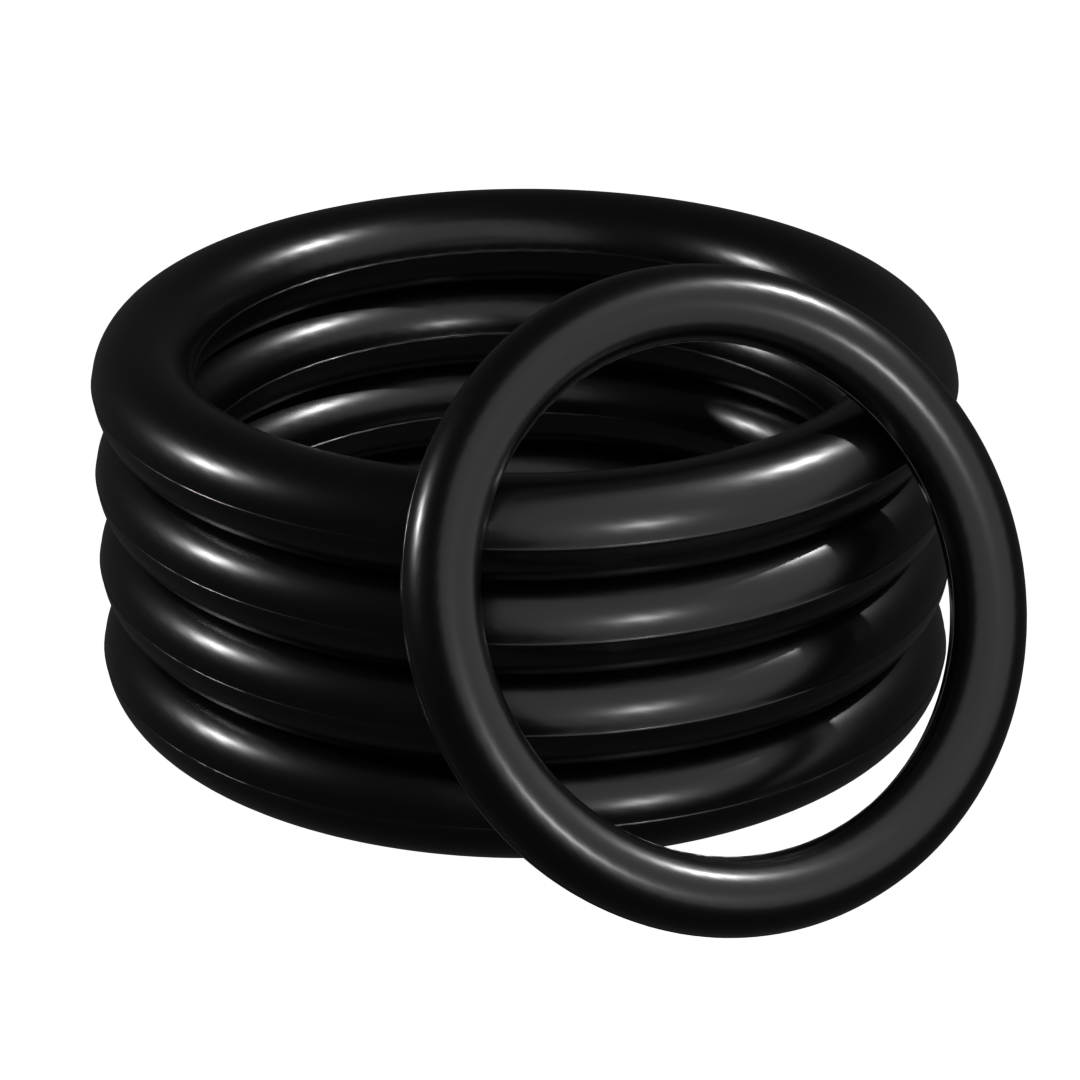
SBR (Styrene-Butadiene) rubber O-rings and gaskets from Canyon Components designed for durable sealing in industrial environments.
SBR (Styrene-Butadiene) Materials Available
This table shows many of our standard materials and links out to our O-ring store. Get in touch with us if you need a custom gasket, custom molded part, or non-standard geometry!
Filter by
Material Brand
Durometer
Temperature Search (°C)
Material Compliance
Specification
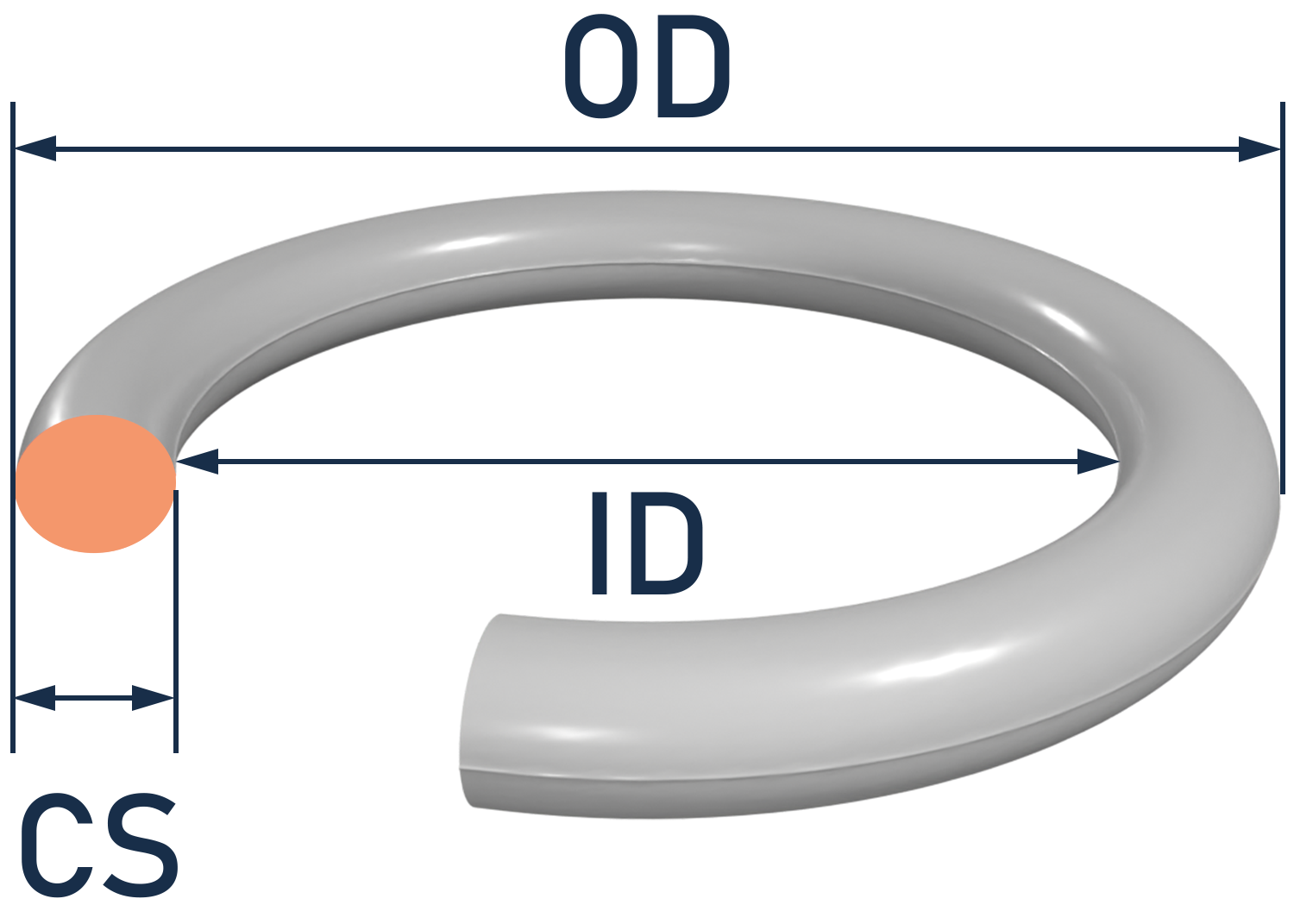
Size Search
___X____
Features of SBR Rubber
SBR rubber possesses several key features that make it suitable for a wide range of applications:
- Abrasion Resistance: SBR is highly resistant to wear and tear, making it ideal for applications that involve heavy friction or repeated contact with surfaces.
- Good Flexibility: Even at low temperatures, SBR maintains flexibility, which is crucial for dynamic applications such as tires and seals.
- Tear and Impact Resistance: SBR provides excellent resistance to tearing and impact, ensuring long-lasting performance in demanding environments.
- Chemical Resistance: While SBR is not as resistant to oils and fuels as some other elastomers, it offers moderate resistance to water, alcohol, and some acids.
- Cost-Effectiveness: SBR is relatively inexpensive compared to other elastomers, making it a cost-effective choice for many industrial applications.
Common Applications of SBR Rubber
SBR is used across a variety of industries due to its adaptability and performance:
- Automotive Tires: One of the largest applications of SBR is in the production of tires, where its flexibility, durability, and resistance to abrasion make it ideal for use in tread and sidewalls.
- Gaskets and Seals: SBR is used to manufacture gaskets and seals that require good compression set and impact resistance, particularly in non-oil-based environments.
- Conveyor Belts: In industrial applications, SBR rubber is used for conveyor belts, offering wear resistance and the ability to handle heavy loads.
- Hoses: SBR is commonly used in the production of hoses for water and non-oil-based fluids, providing flexibility and long-term durability.
- Footwear and Flooring: SBR is used in the production of rubber soles for shoes and rubber mats or flooring in gyms and industrial settings due to its impact resistance and cushioning properties.
Please consult a Canyon Components Engineer about your specific application and we will use our decades of experience to formulate a solution that fits your need.
Get a Quote Now!

SBR (Styrene-Butadiene) Rubber Pros & Cons
SBR rubber is a versatile and cost-effective synthetic elastomer, offering excellent abrasion resistance, flexibility, and durability. While it has some limitations, such as reduced oil and weather resistance, its strengths make it an ideal choice for automotive, industrial, and general-purpose applications. Understanding the features, common applications, and potential drawbacks of SBR rubber will help you choose the best material for your specific needs.
Canyon Components strives to meet all customer service requests. Feel free to contact Canyon Components engineering and let our knowledgeable staff help you design the perfect part for your needs.
Pros of SBR Rubber
SBR rubber offers several advantages that make it a popular material in various industries:
- Excellent Abrasion Resistance: SBR's ability to withstand wear and tear makes it ideal for applications like tires, conveyor belts, and seals.
- Cost-Effective Alternative to Natural Rubber: As a synthetic material, SBR provides many of the same benefits as natural rubber but at a lower cost.
- Good Low-Temperature Performance: SBR maintains its flexibility and impact resistance even at lower temperatures, making it suitable for cold environments.
- Wide Range of Applications: With its versatility, SBR can be used in everything from automotive tires to industrial flooring, making it a highly adaptable material.
Cons of SBR Rubber
While SBR has numerous benefits, there are also some drawbacks to consider:
- Poor Oil and Fuel Resistance: SBR is not suitable for applications involving prolonged exposure to oils, fuels, or hydrocarbons, as it can degrade in these environments.
- Limited Weathering Resistance: SBR is not as resistant to ozone, UV light, or extreme weather conditions as some other elastomers like EPDM or neoprene.
- Moderate Chemical Resistance: While SBR provides good resistance to water and some chemicals, it is not the best option for highly corrosive or chemical-intensive applications.
- Lower Elasticity than Natural Rubber: SBR has slightly lower elasticity compared to natural rubber, which can affect its performance in some applications requiring extreme flexibility.
Back to Elastomers Hub