Low Temperature Elastomers for Cold and Cryogenic Applications
In low temperature environments, standard elastomers become brittle, lose elasticity, and fail to maintain a reliable seal. That’s why specialized low temperature elastomers are essential for applications that demand flexibility and sealing performance in extreme cold—down to -30°C and beyond. From O-rings and custom molded parts to flexible tubing, these materials are formulated to retain their properties in sub-zero conditions and cryogenic systems.
Canyon Components offers a range of cold-resistant elastomers, including advanced blends of Silicone, FKM, FFKM, Teflon Encapsulated Steel Spring O-rings, and PTFE Spring Energized Seals, ideal for temperatures as low as -268°C.
Check with one of Canyon’s helpful product engineers for an expert material and manufacturing recommendation.
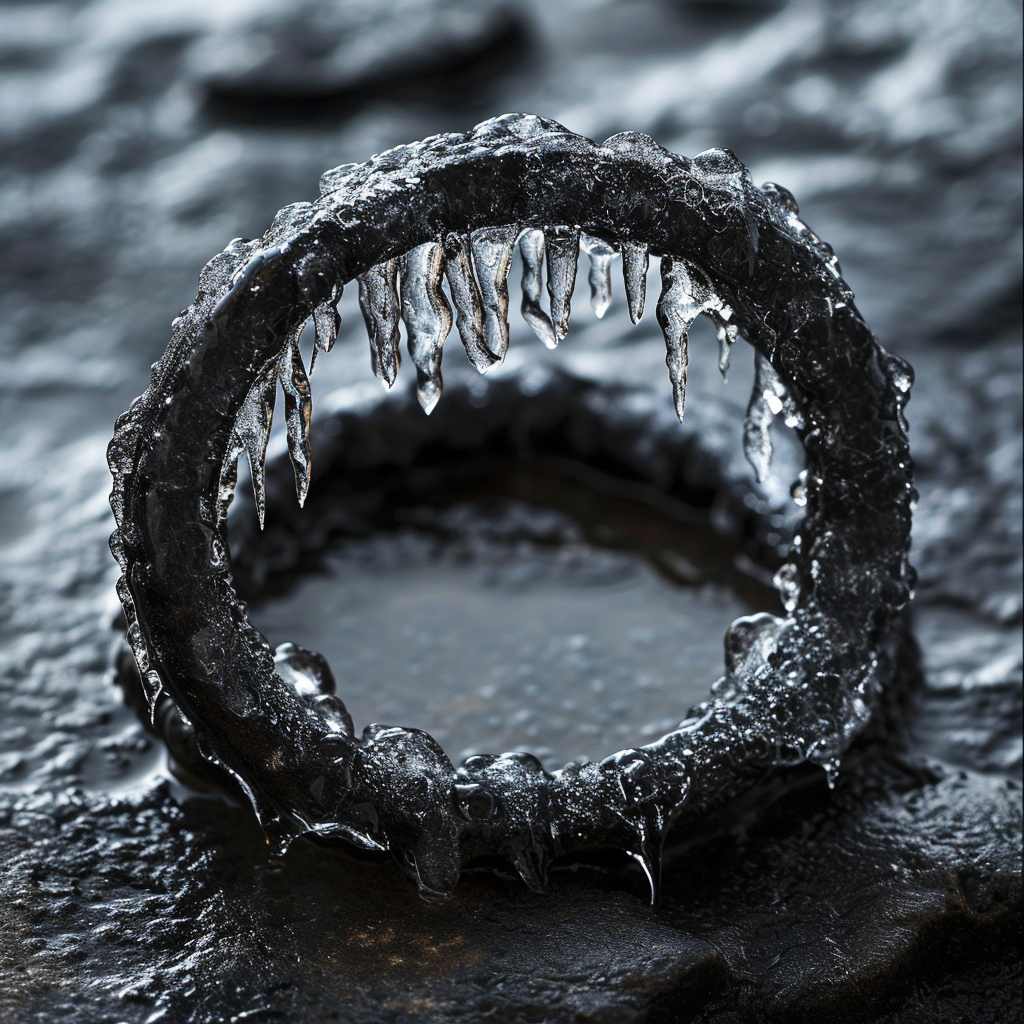
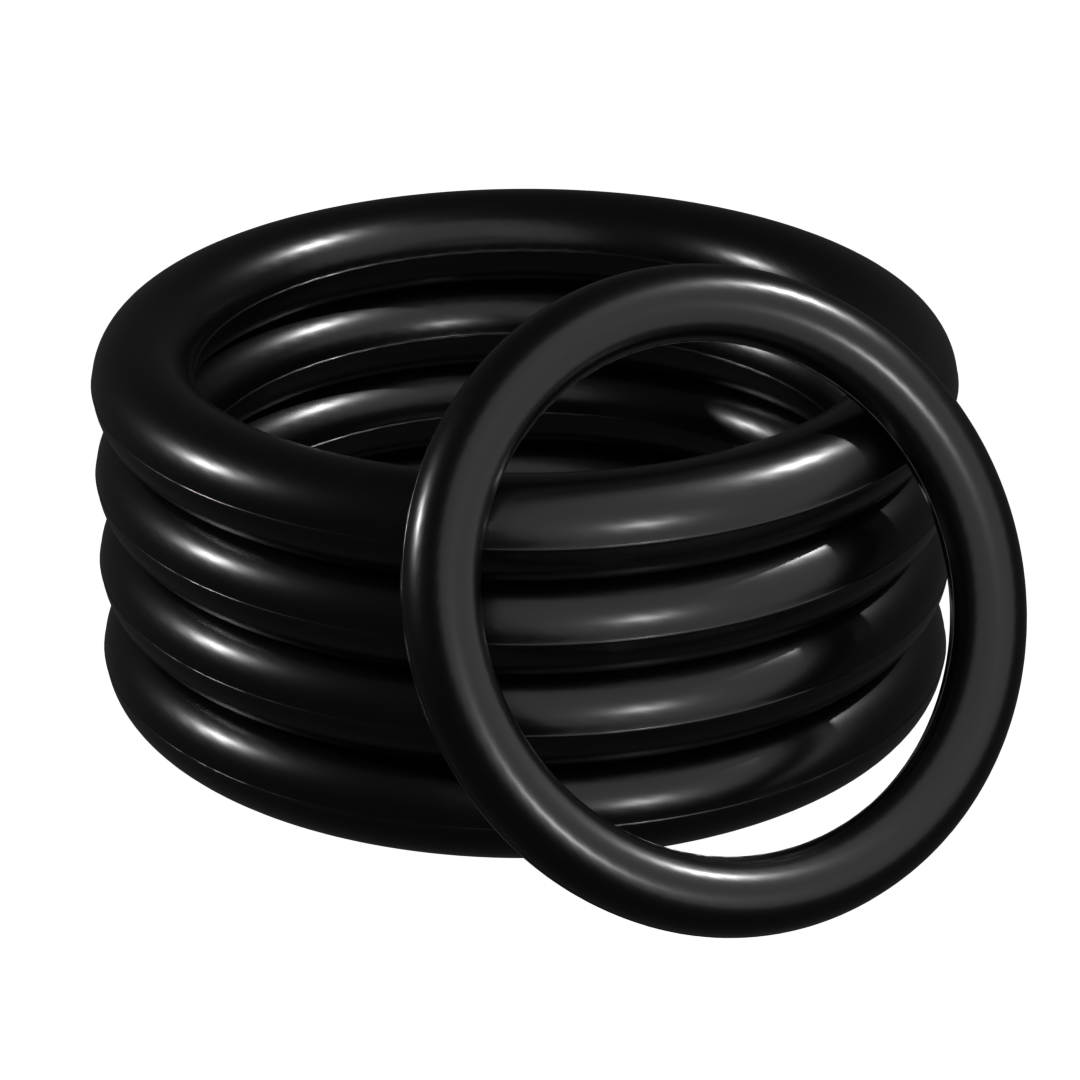
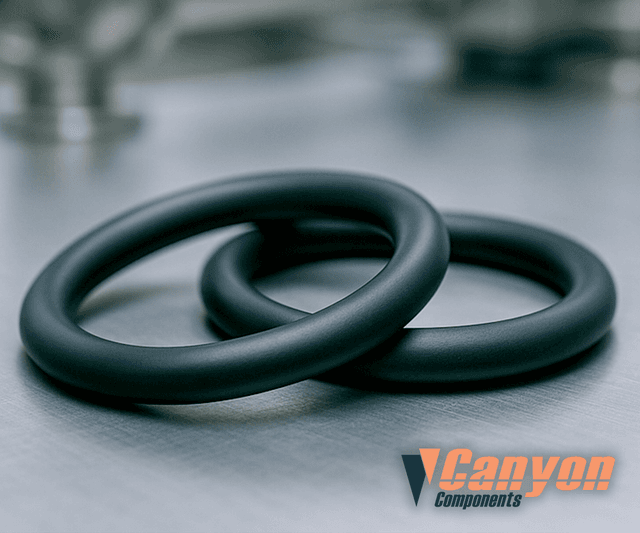
Low temperature elastomer O-rings from Canyon Components designed for reliable sealing in cryogenic and sub-zero conditions.
Low Temperature Elastomer Materials Available
This table shows many of our standard materials and links out to our O-ring store. Get in touch with us if you need a custom gasket, custom molded part, or non-standard geometry!
Filter by
Material Brand
Durometer
Temperature Search (°C)
Material Compliance
Specification
Size Search
___X____
Features of Low Temperature Elastomers
- Cold Flexibility: Designed to remain pliable and elastic in environments below -30°C, ensuring leak-free performance during startup and steady-state operation.
- Cryogenic Capabilities: Select materials like PTFE Spring Energized Seals and Teflon Encapsulated Steel Spring O-rings perform at temperatures as low as -268°C, suitable for liquid nitrogen and other cryogenic media.
- Resilient Sealing: Maintain compression set resistance and sealing force even after temperature cycling and prolonged exposure to cold.
- Material Versatility: Available in standard and custom O-rings, molded parts, and extruded tubing to suit both static and dynamic sealing needs.
- Chemical Compatibility: Many cold-resistant elastomers also offer excellent resistance to fuels, oils, and cryogenic fluids.
Common Applications
- Aerospace & Aviation: Cold-weather aircraft systems, high-altitude seals, and rocket fuel lines require reliable performance at extreme altitudes and temperatures.
- Cryogenics & LNG: Sealing systems for liquid nitrogen, liquid oxygen, and liquefied natural gas (LNG) equipment operating at temperatures below -150°C.
- Automotive & EV Systems: Battery enclosures, coolant seals, and HVAC systems in electric and hybrid vehicles exposed to sub-zero climates.
- Scientific Research: Laboratory equipment and instruments that must maintain vacuum integrity or fluid handling in ultra-cold test chambers.
- Oil & Gas: Seals for arctic exploration tools, pipeline systems, and offshore drilling equipment exposed to freezing environments.
Please consult a Canyon Components Engineer about your specific application and we will use our decades of experience to formulate a solution that fits your need.
Get a Quote Now!


Canrez® FFKM Perfluoroelastomer
Extreme cold demands reliable sealing solutions. Canrez® FFKM materials deliver excellent low temperature flexibility and dependable performance where it matters most. Thousands of sizes in stock and ready to ship.

CanGuard™ RFI & EMI Shielding Materials
CanGuard™ materials are engineered to maintain sealing performance in low temperature environments while providing effective electromagnetic interference (EMI) and radio frequency interference (RFI) shielding for sensitive electronic and industrial applications.

Kalrez® FFKM Perfluoroelastomer
Canyon Components offers Kalrez® perfluoroelastomer (FFKM) O-rings, gaskets, and custom molded parts designed for reliable sealing in low temperature environments, with competitive pricing and dependable lead times.

Parker® O-rings, Parofluor parts, parker FKM Viton
Canyon Components supplies Parker Hannifin® O-rings, gaskets, perfluoroelastomer (FFKM) parts, and custom molded components engineered for reliable performance in low temperature environments, with competitive pricing and dependable lead times.

FKM (Viton®, Fluorocarbon)
FKM compounds, O-rings, gaskets, and custom molded parts provide dependable sealing in low temperature environments while maintaining resistance to oils, fuels, hydraulic fluids, ozone, and many aggressive chemicals.
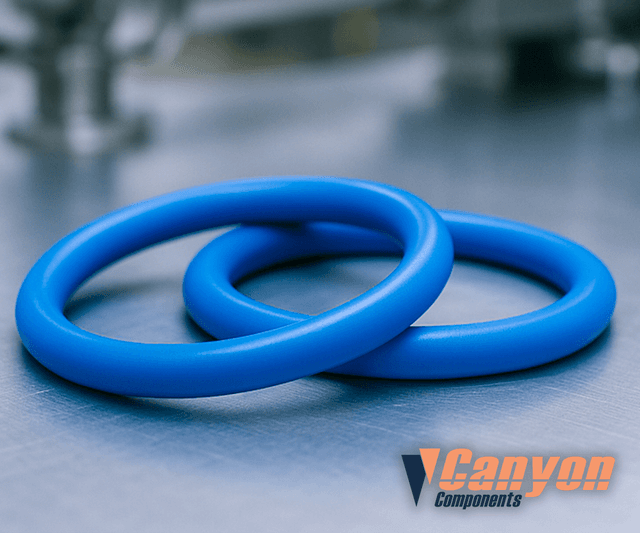
Fluorosilicone (FVMQ)
Fluorosilicone O-rings, gaskets, and custom molded parts provide excellent flexibility and reliable sealing in low temperature environments. They maintain good resistance to fuels and mineral oils while remaining more flexible in cold conditions than many other elastomers.
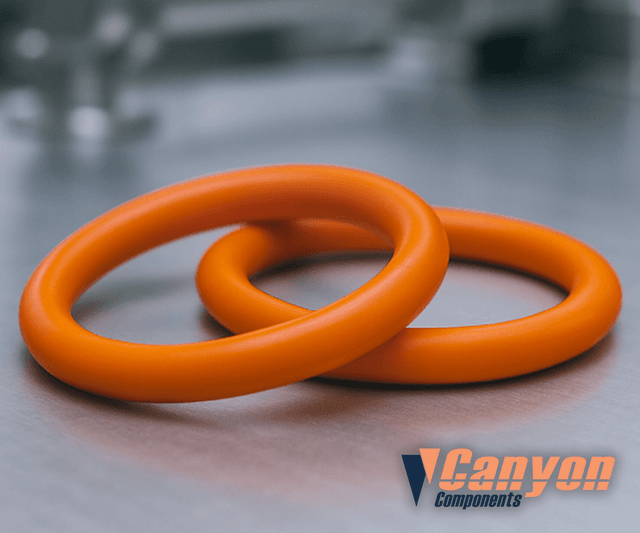
Silicone (VMQ, PVMQ)
Silicone seals, O-rings, gaskets, and custom molded parts perform exceptionally well in extreme low temperature static sealing applications. Canyon Components offers a range of silicone materials and can tailor compounds to meet demanding cold environment requirements.
EPDM (Ethylene Propylene)
EPDM materials, O-rings, gaskets, and custom molded parts perform well in low temperature environments and remain compatible with glycol-based fluids that can degrade many other elastomeric sealing materials.
NBR (Nitrile, Buna-N)
Nitrile O-rings, gaskets, and custom molded parts provide dependable sealing in low temperature environments while maintaining good oil resistance, strong mechanical properties, and excellent value for general purpose applications.
HNBR (Hydrogenated Nitrile)
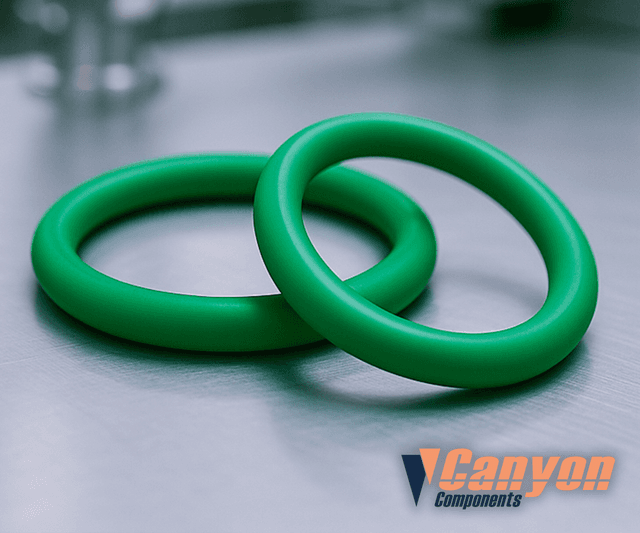
Hydrogenated Nitrile O-rings, gaskets, and custom molded parts provide improved flexibility and reliable sealing in low temperature environments compared to many conventional elastomers, making HNBR suitable for demanding oil, gas, and chemical applications.
XNBR (Carboxylated Nitrile)
XNBR O-rings, gaskets, and custom molded parts are similar to Nitrile but modified with carboxyl groups that improve durability. This elastomer maintains flexibility in low temperature environments while offering excellent abrasion resistance and strong chemical compatibility.
Neoprene (CR)
Chloroprene, commonly known as Neoprene®, is a versatile synthetic rubber used in O-rings, gaskets, and custom molded parts. It maintains flexibility in low temperature environments while offering resistance to oxidizing agents, oils, and flame.
Polyurethane (PU, AU)
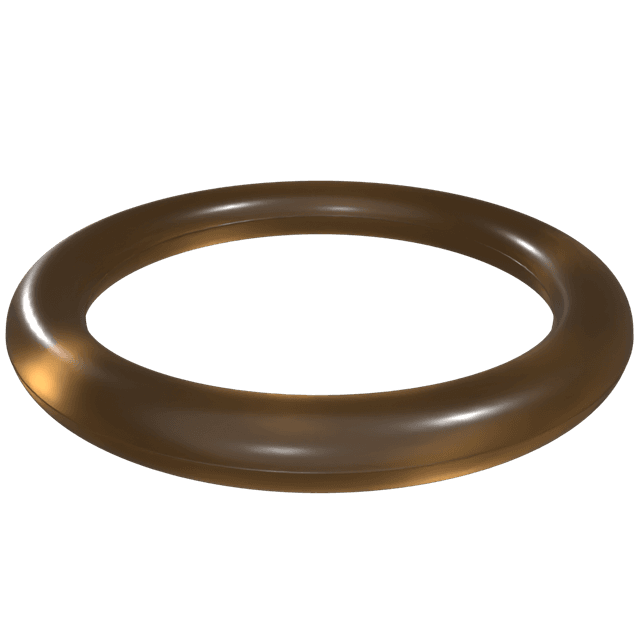
Polyurethane O-rings, gaskets, and custom molded parts maintain good flexibility and sealing performance in low temperature environments while providing exceptional tensile strength, wear resistance, and low permeation compared to many elastomers.
PTFE Encapsulated
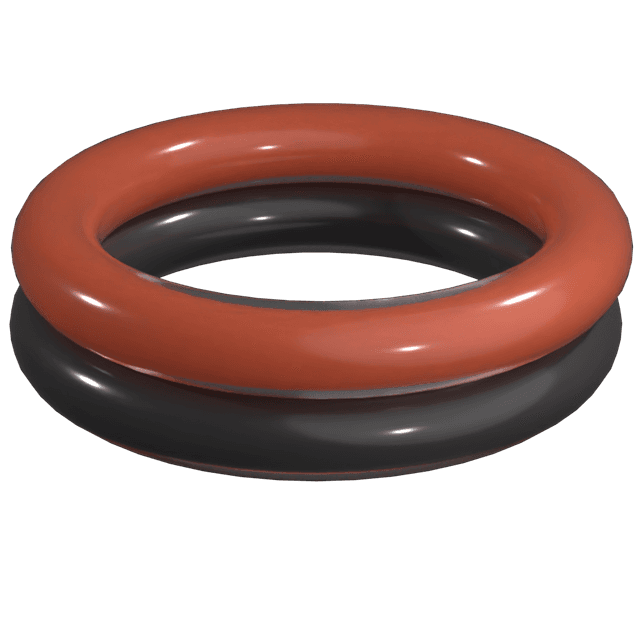
FEP and PFA encapsulated O-rings combine a flexible elastomer core with a seamless PTFE-based outer jacket. The core, typically FKM (Viton) or silicone (VMQ), helps maintain sealing force while supporting reliable performance in low temperature environments.
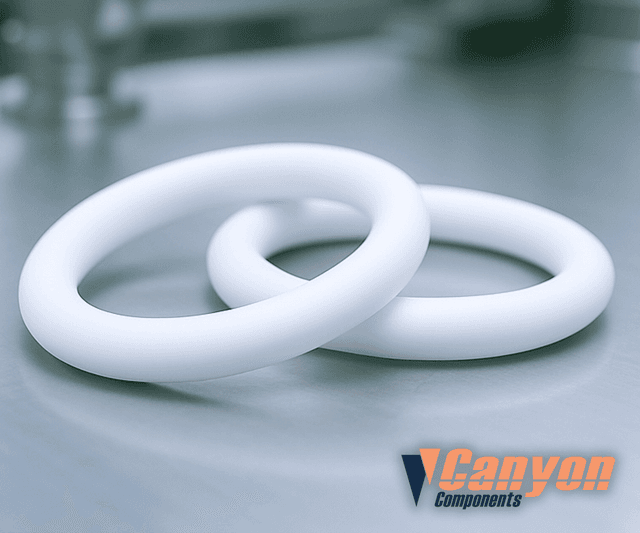
PTFE O-Rings
Cold environments and aggressive chemicals often require specialized sealing solutions. Canyon Components PTFE O-rings, made from polytetrafluoroethylene (PTFE or Teflon®), offer excellent chemical resistance and reliable sealing performance in demanding low temperature applications.
Pros and Cons of Low Temperature Elastomers
Canyon Components provides expertly engineered low temperature elastomer solutions for critical sealing applications in aerospace, cryogenics, energy, and more. Our lineup includes industry-proven compounds and advanced composite designs like Teflon Encapsulated O-rings and PTFE Spring Energized Seals, backed by technical support and custom manufacturing capabilities.
Whether you need standard cold-resistant O-rings, custom-molded seals, or cryogenic tubing, Canyon Components delivers performance, reliability, and peace of mind—even in the coldest environments. Contact us today for technical guidance or a custom material recommendation tailored to your application.
Canyon Components strives to meet all customer service requests. Feel free to contact Canyon Components engineering and let our knowledgeable staff help you design the perfect part for your needs.
Pros of Low Temperature Elastomers
- Maintain flexibility and elasticity at temperatures far below freezing
- Resist cracking, shrinkage, and compression set under cold conditions
- Available in multiple forms: O-rings, tubing, and custom molded parts
- Options available for both chemical exposure and dynamic sealing
- Long service life in cryogenic and low-temp cycling environments
Cons of Low Temperature Elastomers
- Limited rebound at room temperature for some materials (e.g., PTFE-based options)
- Higher material and production cost for ultra-low temperature grades
- Custom formulations may require extended lead times or special tooling
- Not all low-temp elastomers offer simultaneous high-temp or high-pressure performance
Back to Elastomers Hub